The Seven AKC Dog Groups Explained: How Best in Show Is Judged
The AKC sorts breeds into seven groups: Sporting, Hound, Working, Terrier, Toy, Non-Sporting and Herding. How each round of judging leads to Best in Show.
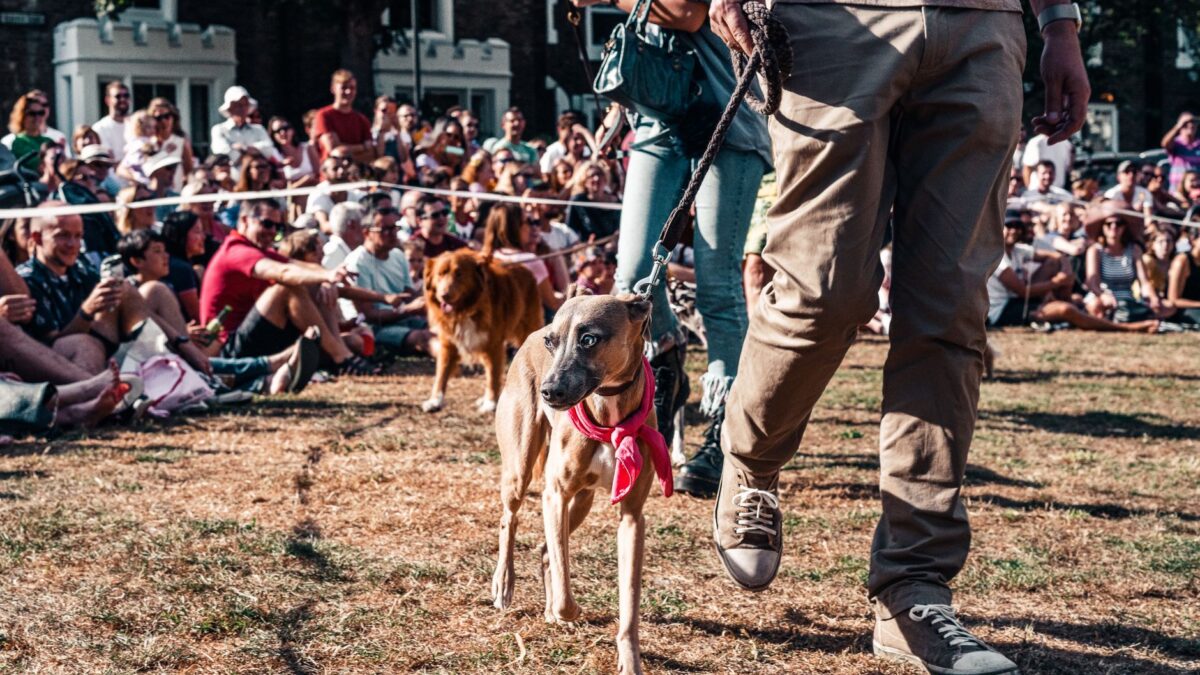
The American Kennel Club (AKC) sorts its recognized breeds into seven groups: Sporting, Hound, Working, Terrier, Toy, Non-Sporting and Herding. At an all-breed show, dogs first compete within their own breed, each Best of Breed winner then competes in its group, and the seven group winners meet in the final ring, where one judge picks Best in Show.
The groups are based on what the breeds were originally developed to do. They decide which dogs a judge compares in the second round, so a Beagle and a Bloodhound face each other in the Hound ring while a Pug never meets a Great Dane until the last round, if both get that far.
What are the seven AKC dog groups?
The seven groups cover around 200 recognized breeds, each grouped by its original job:
- Sporting: dogs bred to help hunters find and retrieve birds, such as the Labrador Retriever, Golden Retriever, English Springer Spaniel, pointers and setters.
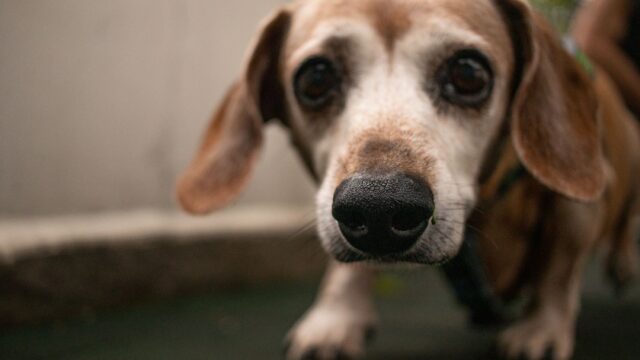
- Hound: dogs that hunt by scent or by sight, including the Beagle, Basset Hound, Bloodhound, Dachshund and Greyhound.
- Working: large, strong dogs bred to guard, pull sleds or carts, or rescue, such as the Boxer, Doberman Pinscher, Siberian Husky, Bernese Mountain Dog, Great Dane and Bullmastiff.
- Terrier: tenacious dogs bred to hunt and kill vermin, many of them by digging after it, such as the Airedale, Scottish Terrier, Bull Terrier and Miniature Schnauzer.
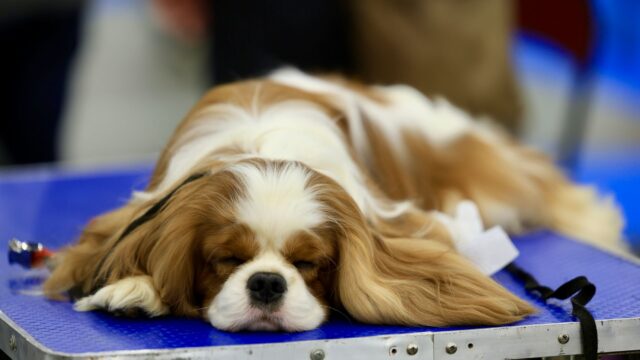
- Toy: small companion breeds, including the Chihuahua, Pomeranian, Pug, Shih Tzu and Cavalier King Charles Spaniel.
- Non-Sporting: a mixed group of breeds that do not fit elsewhere, such as the Bulldog, French Bulldog, Dalmatian, Boston Terrier, Bichon Frise and the Standard and Miniature Poodle.
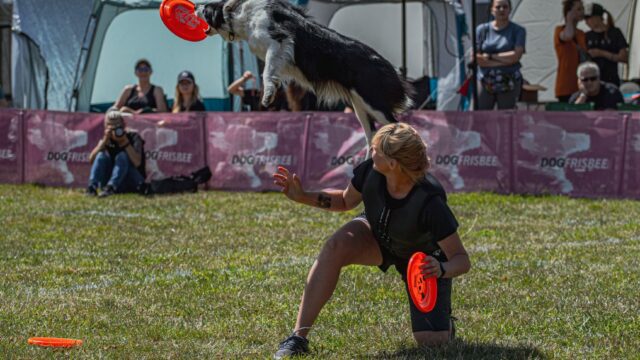
- Herding: dogs bred to move and control livestock, including the German Shepherd Dog, Border Collie, Australian Shepherd, Shetland Sheepdog and Pembroke Welsh Corgi.
The Herding Group is the newest. The AKC created it in 1983 by moving herding breeds out of the Working Group.
Why is the Non-Sporting Group so mixed?
The Non-Sporting Group holds breeds whose original jobs no longer match any other group, or that are kept today mostly as companions. That is why a Dalmatian, once a carriage dog, stands in the same ring as a Chow Chow and a Bulldog. The dogs in it vary more in size, coat and build than in any other group.
How does a dog get from breed judging to Best in Show?
A dog has to win three rounds in a row at the same show:
- Breed judging: All entries of one breed compete, and the judge names a Best of Breed. Only that dog moves on.
- Group judging: The Best of Breed winners in each group compete. The group judge places four dogs, first through fourth, and only the first-place dog advances.
- Best in Show: The seven group winners enter the final ring together. One judge chooses Best in Show, and many shows also name a Reserve Best in Show as runner-up.
Breeds that are still working toward full recognition can be shown in the Miscellaneous Class, but those dogs cannot compete in a group or for Best in Show. Recognition moves a breed into one of the seven groups, which is why newly recognized AKC breeds get a group placement when they join.
What do judges look for in the ring?
Each dog is measured against its own breed standard, the written description of the ideal dog of that breed kept by the national breed club and approved by the AKC. In the Best in Show ring, the judge is choosing the dog that comes closest to its own standard, even though that standard is very different from the others.
During the exam, a judge usually:
- looks at the dog standing still from the side and the front to check overall balance and outline;
- puts hands on the dog to feel structure, muscle and coat that grooming can hide;
- checks the bite and teeth;
- watches the dog move away, back and around the ring, because movement shows how the body is built;
- notes temperament, since a dog should show the attitude its standard describes.
This kind of judging is called conformation, because it measures how well a dog conforms to its standard. Conformation shows were set up to evaluate breeding stock, so AKC rules generally require dogs in regular conformation classes to be intact (not spayed or neutered).
Is judging the same at Westminster and the National Dog Show?
Yes. Both shows follow the same path from breed to group to Best in Show, with the same seven groups. They differ in other ways, covered in the comparison of how Westminster and the National Dog Show differ. For this year’s televised event, the guide to how to watch the National Dog Show covers the date, time and channel.
Group placements on TV often look like a matter of taste. The judge is still working from the breed standards, and a dog that wins Best of Breed one weekend can lose it the next under a different judge, because each judge weighs the standard in their own way.
Can a mixed-breed dog enter an AKC show?
Mixed-breed dogs cannot compete in AKC conformation, because there is no breed standard to judge them against. They can take part in AKC sports such as agility, obedience and rally through the AKC Canine Partners program. Owners who want to learn more about a mixed-breed dog’s background often use dog DNA tests for breed ancestry, which have no role in show eligibility.
Quick answers
How many dogs compete for Best in Show?
Seven: the first-place winner of each group. If a show names a Reserve Best in Show, that dog comes from the same seven finalists.
Can a dog that loses in its breed still win its group?
No. Only the Best of Breed winner goes on to group judging, so every dog in a group ring has already beaten the rest of its breed that day.
Which group has the smallest dogs?
The Toy Group. Small breeds also appear elsewhere, though: the Miniature Schnauzer is a Terrier and the Dachshund is a Hound.
Why does a Poodle show up in two groups?
The AKC counts Poodles as one breed with three sizes. The Standard and Miniature Poodle compete in the Non-Sporting Group, while the Toy Poodle competes in the Toy Group.