Pet Insurance for Cats: Indoor vs Outdoor, Coverage and Costs
Cat insurance suits indoor and outdoor cats alike. See what plans cover, what they exclude and which factors set the monthly price for your cat.
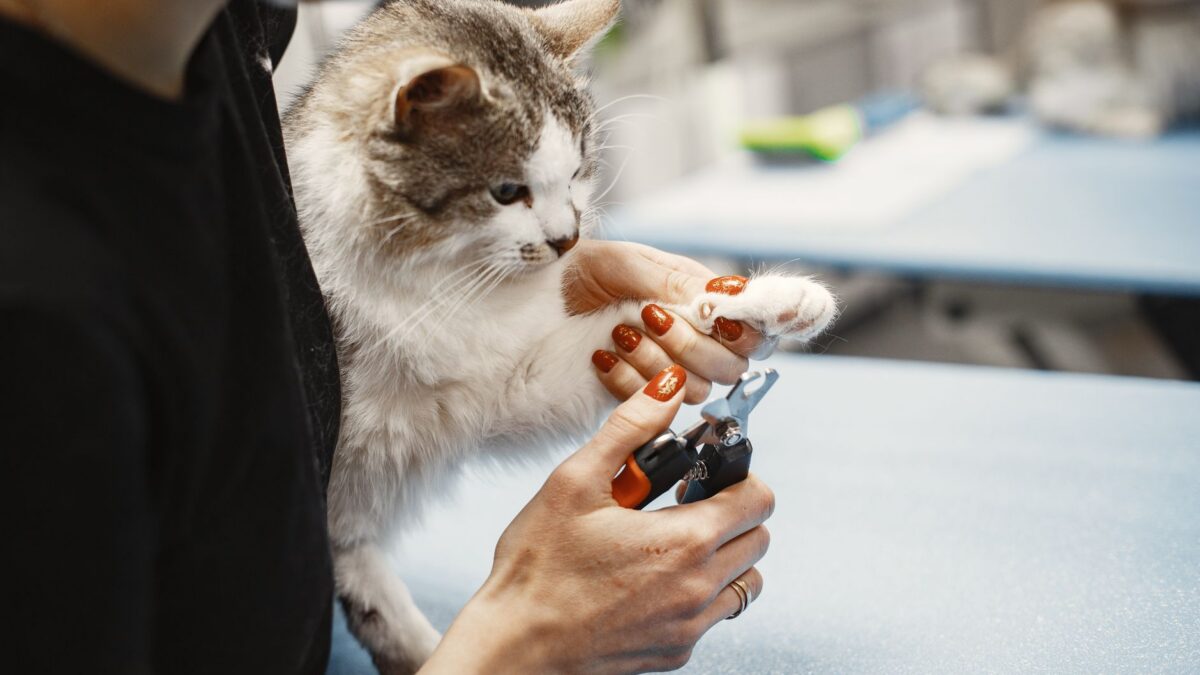
Pet insurance for cats reimburses part of your veterinary bills after an accident or illness, and it is worth considering for both indoor and outdoor cats. Outdoor cats face more injuries and infections, so they are more likely to need accident cover. Indoor cats still develop illnesses such as urinary blockages and kidney disease, which can cost thousands of dollars to treat. Monthly premiums depend on your cat’s age, breed, your location and the plan you pick, and cat plans are generally cheaper than dog plans.
Do indoor cats need pet insurance?
Indoor cats need it less for accidents and more for illness. Living inside lowers the risk of car strikes, fights and some infections, but it does not protect against conditions that come with age or genetics. Common problems in indoor cats include dental disease, urinary tract problems (male cats can develop life-threatening blockages), kidney disease, an overactive thyroid and diabetes. Indoor cats also swallow things: string, hair ties and tinsel can cause an intestinal blockage that needs emergency surgery. Household plants such as lilies are highly toxic to cats, and the ASPCA Animal Poison Control Center is the place to call if your cat chews one.
For an indoor cat, a plan that covers illnesses as well as accidents is usually the better match. You can read more about the risk side in the guide to indoor vs outdoor cats.
Do outdoor cats need pet insurance?
Outdoor cats are the stronger case for accident cover. Cars, fights with other cats, bite abscesses, dog attacks, poisons and falls are the main dangers. Outdoor cats also meet more parasites and infectious diseases, including feline leukemia virus and feline immunodeficiency virus, which spread through contact with other cats. Vaccines and parasite prevention lower these risks, and your veterinarian can tell you which ones fit your cat and region.
Some insurers price outdoor cats differently or ask whether your cat goes outside. Read the application carefully and answer it accurately, because a wrong answer can cause a claim problem later. Microchipping is a separate matter from insurance, but a chipped cat that gets lost and injured is far easier to reunite with its owner.
What does cat pet insurance usually cover?
Coverage falls into three common levels, and the exact wording differs by company:
- Accident-only plans pay for injuries such as broken bones, wounds and swallowed objects.
- Accident and illness plans add diagnostics and treatment for conditions such as infections, urinary problems, cancer and diabetes. This is what most people mean by comprehensive cover.
- Wellness or preventive add-ons reimburse routine care such as vaccines, checkups and parasite prevention up to a set amount. They are optional and cost extra.
Within illness plans, check how the policy treats dental work, behavioral therapy, prescription food and hereditary conditions. The comparison of accident-only vs comprehensive pet insurance explains the trade-offs, and the guide to what pet insurance covers goes through dental care, spay or neuter and exclusions.
What is not covered?
Almost every policy excludes pre-existing conditions, meaning anything your cat showed signs of or was treated for before the policy began or during the waiting period. Other common exclusions are:
- Routine care, unless you buy a wellness add-on.
- Elective procedures such as spaying, neutering and declawing.
- Cosmetic work and breeding costs.
- Conditions that appear during the waiting period, which commonly lasts from a few days to a few weeks and is longer for some conditions such as orthopedic problems.
Because pre-existing conditions are excluded, buying while your cat is young and healthy gives the most useful cover. Waiting until after the first diagnosis means that condition will likely never be reimbursed.
What affects the monthly cost?
Premiums change with several factors, and the same cat can get quite different quotes from different insurers. The main ones are:
- Age: kittens are the cheapest to insure, and premiums rise as a cat gets older.
- Breed: some pedigree breeds carry higher prices because of known hereditary conditions.
- Location: veterinary prices vary by region, and insurers price accordingly.
- Annual deductible: a higher deductible lowers the monthly bill but raises what you pay before reimbursement starts.
- Reimbursement rate: plans commonly reimburse a percentage of the bill, and a higher percentage costs more.
- Annual limit: a lower yearly cap means a cheaper plan and less protection for a large claim.
For current average figures, see pet insurance cost per month. When you collect quotes, the guide on how to compare pet insurance plans shows how to line up deductibles, limits and exclusions side by side.
How do you choose and file a claim?
Pick the plan by how you would pay a large bill, not by the lowest premium. Ask yourself whether you could cover an emergency of several thousand dollars from savings. If not, an accident and illness plan with a deductible you can afford is the closer fit. Most insurers reimburse after you pay the clinic, so you submit the invoice and your cat’s medical records and wait for payment. A few clinics can bill the insurer directly. Keep all records, because they help establish what was and was not pre-existing.
The AVMA publishes consumer guidance on choosing pet health insurance, and the American Veterinary Medical Association is a reasonable place to start if you want an independent view. Your own veterinarian can also tell you which conditions are common for your cat’s age and breed.
Quick answers
Does pet insurance cover spaying or neutering a cat?
Usually not. Spay and neuter surgery is a planned procedure, so it is excluded from most accident and illness plans. Some wellness add-ons include a contribution. For what the surgery costs, see spay or neuter cost for dogs and cats.
Can an older cat be insured?
Often yes, but with higher premiums and any existing conditions excluded. Some companies set an upper age limit for new enrollment, so check this before you apply.
Is accident-only cover enough for an outdoor cat?
It covers injuries but not illnesses, so an infection or kidney disease would be paid entirely by you. Outdoor cats can get sick as well as hurt.
What should I do if my cat swallows something toxic?
Call an emergency veterinarian or the ASPCA Animal Poison Control Center right away. Do not wait to see if symptoms appear.