How to Get Your Cat to Drink More Water: Fountains, Wet Food, Bowls
To get a cat to drink more water, feed more wet food, try a fountain and use wide, clean bowls away from food and litter. Plus warning signs to watch.
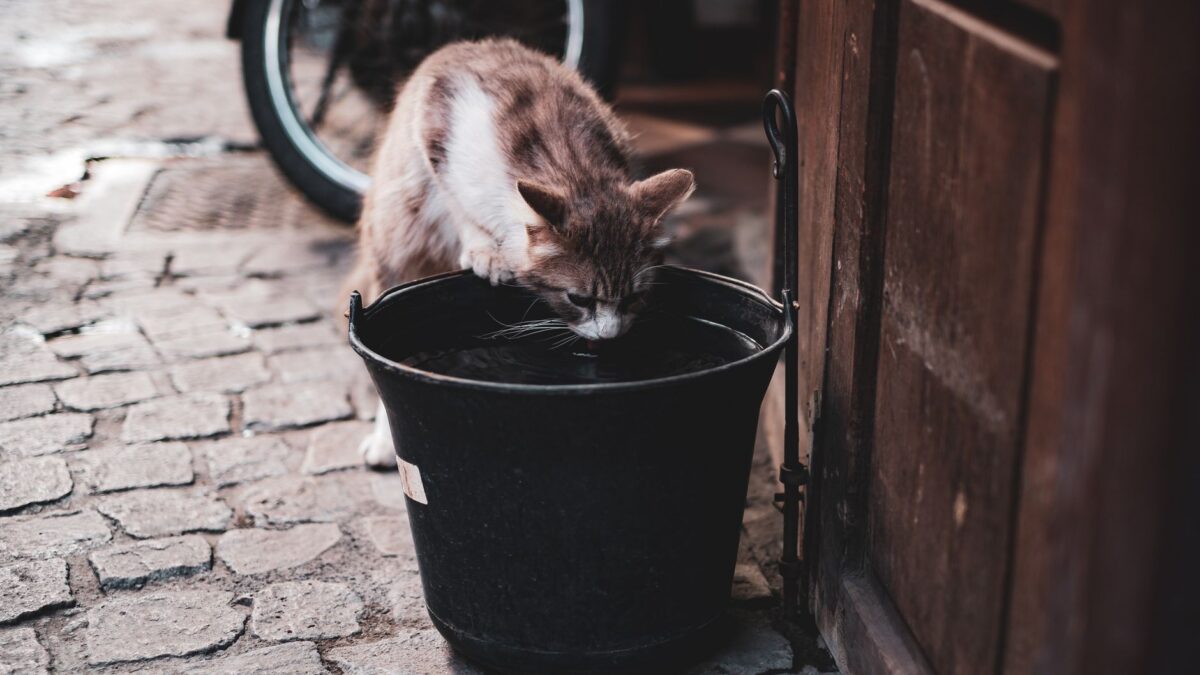
The most reliable way to get a cat to drink more water is to give more of its daily food as wet food, since canned food is mostly water. A pet water fountain, wide shallow bowls, fresh water every day and several water stations away from the food and litter box also help many cats drink more from a bowl. If your cat suddenly drinks much more or much less than usual, call your veterinarian, because a change in thirst can be an early sign of illness.
Why don’t cats drink much water?
Cats have a weak thirst drive. Domestic cats descend from desert-dwelling wild cats that got most of their water from the prey they ate, so many cats wait until they are already a little short on fluid before they go looking for a drink.
A cat on a dry-food diet has to make up the difference at the bowl. Dry kibble is roughly 10 percent water, while canned food is usually around 70 to 80 percent. Many dry-fed cats drink more than wet-fed cats but still take in less water overall.
Low water intake matters because it makes urine more concentrated. Concentrated urine is linked by veterinarians to urinary problems such as crystals, bladder stones and bladder inflammation, which are common in cats, especially males.
How much water does a cat need each day?
A common rule of thumb is that a healthy adult cat needs about 3.5 to 4.5 ounces (100 to 130 ml) of water per 5 pounds (2.3 kg) of body weight per day. That total includes the water in its food, which is why a cat eating mostly wet food may barely touch its bowl and still be well hydrated.
Needs go up in hot weather, in nursing cats and in cats with some medical conditions. Your vet can give a target for your own cat. If you are adjusting how much your cat eats while switching foods, the site’s dog and cat calorie calculator estimates daily calories so portions stay right.
Does wet food really help a cat stay hydrated?
Yes. Switching some or all meals to wet food is the single biggest change for most cats, because the water arrives with the food and the cat does not need to feel thirsty. Our comparison of wet vs dry cat food for hydration, weight and cost covers the trade-offs, including feeding a mix of both.
Ways to add moisture without a full switch:
- Replace one dry meal a day with a canned meal.
- Stir a tablespoon or two of warm water into wet food so it becomes a thin gravy.
- Soften kibble with water just before serving, and throw out leftovers after an hour or so, since moist food spoils at room temperature.
- Offer a little plain, low-sodium broth made for pets. Never use human broth that contains onion or garlic, which are toxic to cats.
Make diet changes over about a week by mixing the new food in gradually. Sudden switches can upset a cat’s stomach, and some cats refuse unfamiliar food.
Do cat water fountains work?
For many cats they do. Moving water seems to attract cats, and some cats that ignore a still bowl will drink often from a fountain or a dripping tap. A fountain also keeps water aerated and filtered, which can make it taste fresher.
- Choose stainless steel or ceramic if you can. They are easier to keep clean than plastic, which can scratch and hold bacteria.
- Take the fountain apart and wash it at least once a week, and change the filter as often as the manufacturer recommends.
- Keep it topped up. A pump running dry can burn out, and a noisy pump can scare a cat away.
- Keep a regular bowl out while your cat gets used to the fountain. Some cats take a few days to trust it.
A fountain is not a fix for every cat. Some never like the sound or the motion and do better with plain bowls.
What bowl tricks get a cat to drink more?
Small changes to the bowl and where it sits often make a difference.
- Use a wide, shallow bowl. Many cats seem to dislike narrow bowls that brush their whiskers.
- Fill it to the brim so the cat does not have to dip its head deep.
- Refresh the water at least once a day and wash the bowl daily. Cats notice stale water, dust and old food smells.
- Put water away from the food bowl. In the wild, cats avoid water near their food, and many house cats still prefer them apart.
- Keep water well away from the litter box.
- Set out several water stations in quiet spots around the home, including one on each floor.
- Try a glass or ceramic bowl if your cat ignores a plastic one.
Some cats prefer water at room temperature, and some like a few ice cubes on a hot day. Watch which bowl empties fastest and add more like it.
How can I tell if my cat is dehydrated?
Signs of dehydration include lethargy, poor appetite, sunken eyes, dry or tacky gums and skin that is slow to fall back after you gently lift it at the scruff. A cat showing these signs, or one that is vomiting or has diarrhea, should see a vet the same day.
The litter box also gives clues. Fewer or smaller urine clumps can mean your cat is taking in less fluid, while larger and more frequent clumps can mean it is drinking much more than usual. A clumping litter, like the ones in our guide to the easiest cat litter to clean, makes those changes easier to spot.
When is drinking more water a warning sign?
A cat that suddenly drinks a lot more than normal needs a vet visit, not a new fountain. Increased thirst and urination are common early signs of kidney disease, diabetes and an overactive thyroid, all of which are frequent in older cats. A male cat that strains in the litter box and passes little or no urine has a medical emergency, because the urethra may be blocked. Take him to an emergency vet right away.
The Cornell Feline Health Center publishes plain-language information on feline kidney and urinary disease. If you think your cat has swallowed something toxic, call your vet, an emergency vet or the ASPCA Animal Poison Control Center.
Quick answers
Can I give my cat milk instead of water?
No. Most adult cats are lactose intolerant, and cow’s milk can cause diarrhea, which makes dehydration worse. Fresh water is the drink cats need.
Is tap water safe for cats?
If your tap water is safe for people to drink, it is generally fine for cats. Some cats prefer filtered water, so a fountain with a filter is worth trying with a picky drinker.
Should I add water to dry food?
It can help, as long as you serve it right away and remove leftovers within about an hour. Wet food is usually a simpler way to add the same moisture.
Why does my cat drink from the tap but not the bowl?
Many cats like moving, fresh water and a spot away from their food. A fountain or a bowl moved to a new place often gets the same result.