How to Disinfect Your Home After a Sick Cat: Cleaners and Steps
To disinfect after a sick cat, clean first, then use a cat-safe disinfectant like diluted bleach. See which cleaners kill cat viruses and which to avoid.
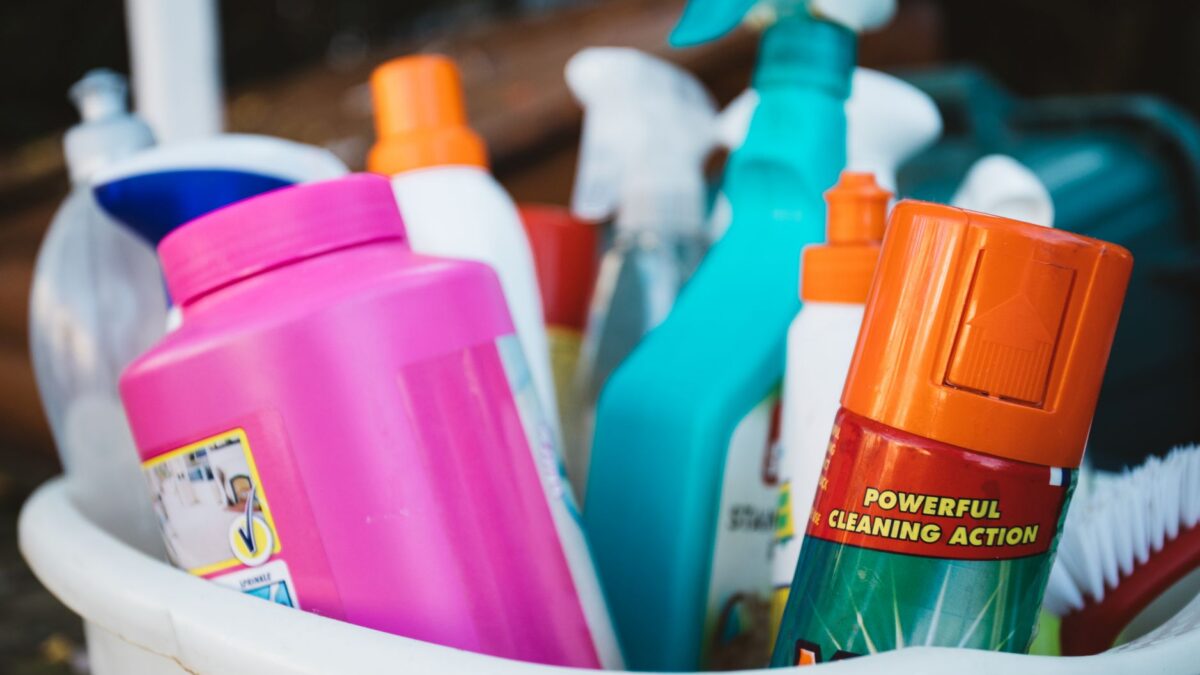
To disinfect your home after a sick cat, first remove dirt, litter and body fluids with soap and water, then apply a disinfectant that works against the specific illness and leave it wet for the full contact time. Hardy viruses such as feline panleukopenia (feline parvovirus) and calicivirus need a strong product, most commonly household bleach diluted about 1:32, or an accelerated hydrogen peroxide or potassium peroxymonosulfate disinfectant labeled for these viruses. Rinse, dry and air out the area before your cats come back, and avoid phenol-based cleaners, pine oil and concentrated essential oils, which are toxic to cats. Ask your vet which illness it was; that decides how thorough to be.
Which cat viruses are hard to kill and which are not
Not every illness needs the same effort. Viruses with a fatty outer envelope break down quickly outside the body, while non-enveloped viruses can survive on surfaces for a long time and resist many common cleaners.
- Feline panleukopenia (feline parvovirus): non-enveloped and very tough. It can survive in the environment for many months, possibly a year or more indoors, and is not reliably killed by many everyday cleaners, including most quaternary ammonium (quat) products and alcohol. This is the illness that needs the most careful cleaning.
- Feline calicivirus: also non-enveloped. It can persist on surfaces for days to weeks and needs a disinfectant proven to work against it.
- Feline herpesvirus (the cause of most “cat flu”): enveloped and fragile. It usually survives only a short time outside the cat, and most disinfectants used correctly will kill it.
- Feline leukemia virus (FeLV) and feline immunodeficiency virus (FIV): enveloped and short-lived outside the body. They spread mainly through close contact, bites or shared bowls, so routine cleaning and soap and water are generally enough for the home.
- Ringworm: a fungus, not a virus, but often part of the same question. Its spores last a long time, so it needs repeated cleaning, vacuuming and a disinfectant labeled for fungi.
Disinfectants that work and how to use them safely
Choose a product based on the illness and always follow the label for dilution and contact time. Contact time means how long the surface stays wet; wiping it dry early can leave live virus behind.
- Household bleach (sodium hypochlorite): regular, unscented bleach diluted about 1:32, roughly 1/2 cup per gallon of water (about 120 ml per 3.8 liters), is widely recommended for parvovirus and calicivirus on hard, non-porous surfaces. Leave it wet for about 10 minutes. Mix a fresh batch each day, because diluted bleach loses strength. Bleach is inactivated by dirt and organic matter, so it only works on surfaces that have already been cleaned.
- Accelerated hydrogen peroxide (AHP): used in many veterinary clinics and shelters. Products labeled for parvovirus are effective, less irritating than bleach and less damaging to fabrics.
- Potassium peroxymonosulfate: another clinic-grade option effective against non-enveloped viruses when mixed as directed.
- Soap and water, quats and alcohol: fine for herpesvirus, FeLV and FIV, and for general cleaning, but not something to rely on for panleukopenia.
Never mix bleach with ammonia, vinegar, other acids or any other cleaner, because this can release toxic gases. Wear gloves, ventilate and keep pets out until surfaces are rinsed and dry.
Cleaners to avoid around cats
Cats are unusually sensitive to some chemicals because their livers process certain compounds poorly, and they groom residues off their paws and fur.
- Phenols and phenolic compounds: found in some disinfectant sprays, coal-tar products and older cleaners. Check labels for words ending in “-phenol,” such as chlorophenol or o-phenylphenol, and avoid them on any surface a cat touches.
- Pine oil and pine-scented cleaners: these can cause serious poisoning in cats.
- Concentrated essential oils: tea tree, eucalyptus, peppermint, citrus, wintergreen, clove and others are risky for cats, whether in cleaners, diffusers or sprays. “Natural” does not mean safe for cats, and these oils do not reliably kill tough viruses anyway.
- Undiluted bleach or strong ammonia: fumes irritate the airways and eyes, and contact can burn skin and paws.
Toxic plants are a similar hidden hazard indoors; our guide to plants that are dangerous to cats and dogs covers the common ones. If your cat drools, vomits, wobbles, has trouble breathing or seems unwell after contact with a cleaner, call your veterinarian, an emergency vet or the ASPCA Animal Poison Control Center right away.
Step-by-step: disinfecting the house
- Ask your vet what the illness is and whether other cats in the home need checks, testing or vaccination.
- Keep the sick cat in one room while it recovers, if your vet agrees. This limits the area you need to clean.
- Remove waste and soiled material. Wearing gloves, bag litter, vomit and stool and put them in the outdoor trash.
- Clean before you disinfect. Wash floors, litter boxes, bowls, carriers and hard surfaces with detergent and water, then rinse.
- Apply the disinfectant at the correct dilution and keep the surface wet for the full contact time.
- Rinse surfaces cats touch, especially bowls, litter boxes and floors, with clean water, then let them dry completely.
- Ventilate the room and let cats back in only when it is dry and the smell has faded.
- Wash your hands and change clothes after handling a cat with a contagious illness and before touching healthy cats.
Bedding, toys, carpets and things you cannot disinfect
Porous items are the hardest part. Wash bedding, blankets and soft toys on the hottest setting the fabric allows and dry them thoroughly; for panleukopenia, adding color-safe bleach where the fabric allows helps. Plastic litter boxes, bowls and hard toys can be soaked in diluted bleach after cleaning, then rinsed well.
Carpets, upholstery, cardboard scratchers, sisal posts and wooden cat trees cannot be fully disinfected against parvovirus. Steam cleaning and carpet disinfectants labeled for parvovirus reduce the risk but may not eliminate it. For milder illnesses such as herpesvirus, normal washing and vacuuming are usually enough.
Outdoor areas such as yards and soil cannot be disinfected in a meaningful way, which is one reason vaccination matters. Our article on indoor and outdoor cat risks explains how outdoor access affects exposure to infections.
Bringing a new or healthy cat into the home
After panleukopenia, talk to your vet before introducing a new cat or kitten. The safest approach is usually to bring in only fully vaccinated cats, and to wait for the vet’s advice on timing, since the virus can linger in places you cannot reach. Core vaccines protect well against panleukopenia and reduce the severity of herpesvirus and calicivirus infections. Older or chronically ill cats can be more vulnerable, so check the advice on vet checks and care for senior cats if you share your home with one.
Quick answers
Does Lysol or a standard disinfectant spray kill feline parvovirus?
Many everyday sprays are not labeled for parvovirus, and some contain phenols or quats that are either unsafe for cats or not reliable against this virus. Use diluted bleach or a product specifically labeled for parvovirus, and follow its contact time.
Is vinegar a safe disinfectant after a sick cat?
Vinegar is low in toxicity for general cleaning, but it is not a reliable disinfectant against cat viruses. Never combine it with bleach, because the mix releases chlorine gas.
How long should I wait before letting my cat back into a cleaned room?
Wait until surfaces are rinsed, completely dry and the room has been aired out so there are no strong fumes.
Do I need to deep clean after a mild cold in my cat?
For a typical upper respiratory infection caused by herpesvirus, regular cleaning of bowls, bedding and litter boxes with soap and water or a mild disinfectant is usually enough. If your vet suspects calicivirus or panleukopenia, follow the stronger steps above.