How to Choose a Dog House: Size, Insulation, Materials and Placement
Pick a dog house that fits your dog's size, keeps out wind and wet, and sits in the right spot. Here is how to judge size, insulation, materials and placement.
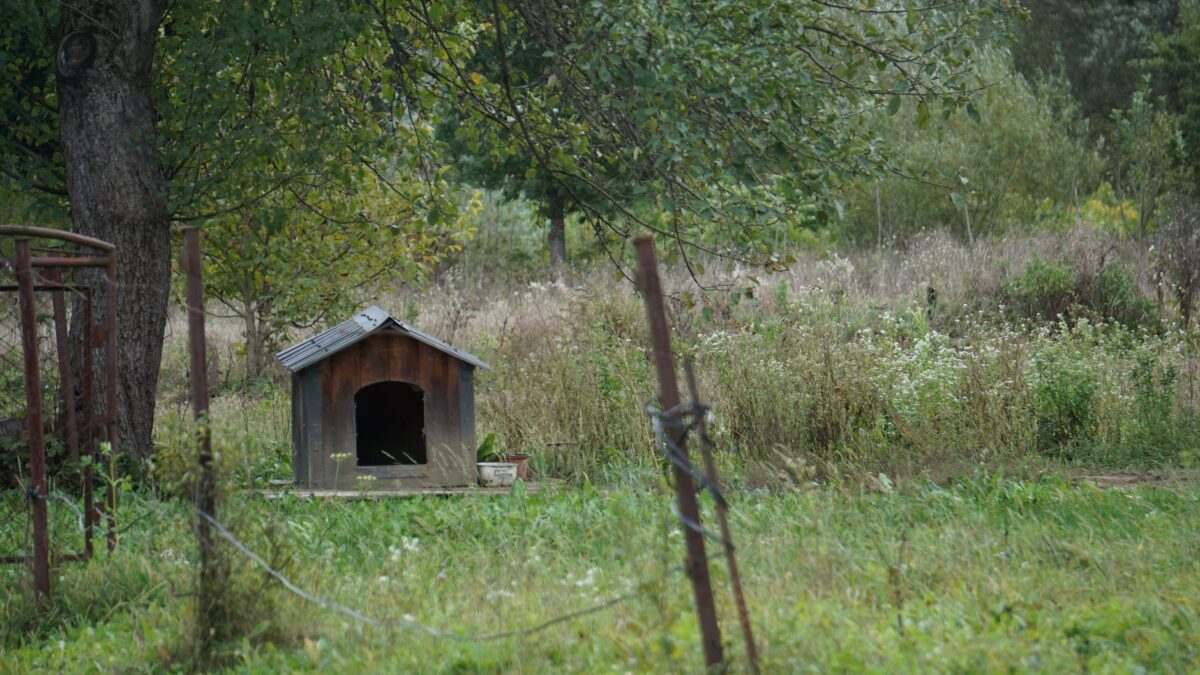
The best dog house is snug enough for your dog to warm with body heat, tall enough to stand and turn around in, and built from dry, durable, non-toxic materials. It should sit off the ground, face away from prevailing wind, and be one part of a plan, not a substitute for bringing your dog indoors in severe weather.
Do you need a dog house at all?
Most dogs are happiest living inside with their family. A dog house is a shelter for time spent in the yard, not a home. Dogs that are very young, old, short-coated, thin, ill or small should not be left outside in cold or hot weather, whatever shelter they have. If you are unsure how your dog handles low temperatures, see our guide on how cold is too cold for dogs.
An indoor “dog house” is a different thing. Some dogs like an enclosed den-style space inside the home, and that is closer to a crate or bed than a shelter.
Get the size right
Bigger is not better. A dog house that is too large cannot be warmed by the dog’s body heat, so it stays cold in winter. One that is too small is uncomfortable and may make a dog reluctant to use it.
Measure your dog standing, then use these as a starting point:
- Length and width: about 25 percent longer than the dog’s body length, measured from nose to base of the tail, so the dog can lie down, stretch a little and turn around.
- Interior height: roughly 25 to 50 percent taller than the dog’s height at the top of the head when sitting, so there is headroom without wasted air space.
- Doorway: a little taller than the dog’s shoulder height and wide enough to enter without squeezing. A doorway that is not much bigger than needed keeps out more wind.
Remember puppies grow. If you are buying for a puppy, size the house for the expected adult dog and use extra bedding to fill the space for now. If you are also thinking about a crate, how to choose a dog crate covers the same fit principle.
Insulation and weatherproofing
A good house blocks wind, rain and snow and holds in warmth. Look for these features:
- Raised floor: a floor several inches (about 3-4 in or 8-10 cm or more) above the ground keeps out damp and cold. Dogs lose heat quickly to a cold or wet surface.
- Insulated walls, roof and floor: rigid foam board sandwiched between wall layers is common. The insulation must be fully covered so the dog cannot chew or swallow any of it.
- A sloped, overhanging roof: sheds rain and snow. A hinged or removable roof makes cleaning much easier.
- A baffle or wind block: an interior wall or an offset door that stops wind blowing straight at the dog’s bed area.
- A flap on the door: a heavy vinyl or rubber flap can cut drafts. Some dogs dislike it, so introduce it gradually with treats.
Do not use a heater, heat lamp or space heater inside a dog house. Heat sources create fire and burn risks. If you want a warming product, choose one designed for pets with a chew-resistant cord and follow the maker’s instructions, and still call your veterinarian if you have concerns about your dog being outside.
Bedding: straw or cedar shavings are often recommended for outdoor shelters because they stay drier than blankets or towels, which hold moisture and freeze. Replace damp bedding promptly. Hay is not the same as straw and can grow mold.
Materials compared
- Wood: insulates well and looks natural. Choose untreated or pet-safe sealed wood and check that fasteners are flush. Wood needs periodic resealing and can rot if it is in constant contact with wet ground.
- Plastic: light, easy to wash and rot-proof. It can crack in cold, and plain plastic offers little insulation unless it is double-walled or insulated. In hot sun it can heat up quickly.
- Metal: usually not a good choice, because it gets very hot in summer and very cold in winter.
Whatever the material, check for splinters, sharp edges and exposed nails or screws. Avoid pressure-treated lumber on surfaces your dog can chew or lick, and ask your veterinarian if your dog is a heavy chewer.
Where to put it
- Door away from wind: face the entrance away from the prevailing wind. In the Northern Hemisphere, that often means facing south or east.
- Dry, level ground: choose a spot that does not collect puddles, with the house raised on blocks or a platform.
- Shade in summer: a spot with shade, ideally under a tree or covered area, helps prevent overheating. A dog house does not make a hot day safe. In heat, bring your dog indoors, and provide fresh water.
- Near the family: dogs are social. Place the house where your dog can see and hear the household, within a secure fenced area.
- Away from hazards: keep it away from fences a dog could climb over, chemicals, pools and busy roads.
Common mistakes
- Buying a house far too big for the dog.
- Leaving the floor directly on the ground.
- Using blankets that get wet and stay wet.
- Assuming a dog house is enough for a dog tied or left out all day and night.
- Not cleaning it, which allows fleas, mold and odors to build up. Wash it out regularly with pet-safe cleaner and let it dry fully.
Even a good shelter works best with a comfortable surface inside. Our guide on how to choose a dog bed explains size, support and washability for indoor use.
Quick answers
How big should a dog house be for a large dog?
Use the same ratios as for any dog: about a quarter longer than the dog’s body and tall enough to sit comfortably. Large dogs also need a wide, sturdy door and a strong floor that takes their weight.
Is a dog house enough in winter?
For most dogs, no. In freezing or wet weather, dogs should come inside. A house gives shelter from wind and rain, but it cannot protect a dog from dangerous cold for long. If you are worried, talk to your veterinarian.
Should an indoor dog have a dog house?
Not necessarily. Many indoor dogs are comfortable with a bed or a crate used as a den. A small enclosed space can help a dog feel secure, but let your dog choose to use it and never use it as punishment.
How often should I clean a dog house?
Swap out soiled or damp bedding as needed and give the whole house a thorough wash every few weeks, more often if it gets muddy. Rinse well and dry before putting bedding back.