Why Does My Cat Stare at Me? What It Means and When to Worry
A cat's stare is usually attention, affection or a request for food. Learn how to read it, and which staring signs call for a veterinarian visit.
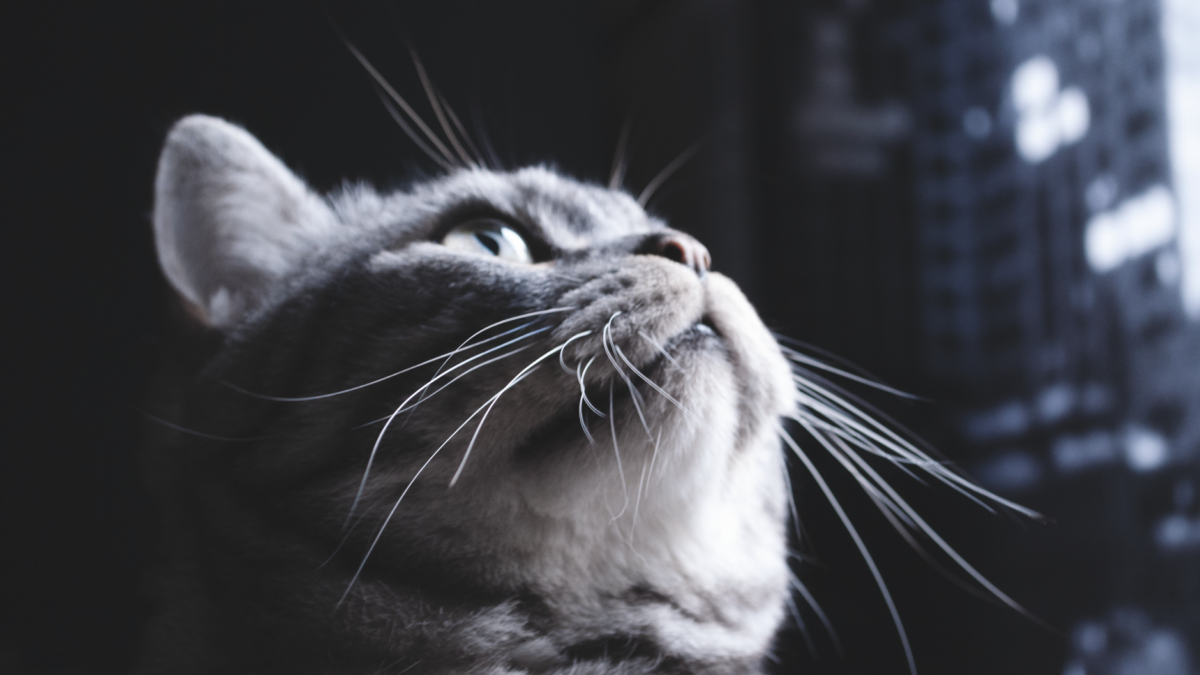
Most of the time, a cat that stares at you is paying attention, asking for something or simply feeling comfortable around you. Staring becomes a concern only when it comes with other changes: fixed or glassy eyes, confusion, new vocalizing, a change in appetite or litter box habits, or a hard stare paired with tense body language. Context and the rest of the cat’s body tell you far more than the stare alone.
Why cats stare at their owners
Cats rely on watching. In the wild a cat that notices small movements eats better and avoids danger, and pet cats keep that habit. You are also the most interesting thing in the home, because you control food, play, doors and warm laps. Common reasons for staring include:
- Asking for something. Cats quickly learn that a stare near the food bowl, the door or the treat cupboard sometimes works.
- Curiosity. Your movements, a rustling bag or a new object are worth watching.
- Affection and trust. A relaxed cat with soft eyes, sometimes slowly blinking, is usually showing comfort.
- Waiting for routine. Cats tend to expect meals, play and bedtime at the usual times.
- Boredom. A cat with little to do may simply watch the one source of activity in the room.
How to read the stare: body language clues
Look at the whole cat, not only the eyes.
Relaxed and friendly
Soft or half-closed eyes, normal-sized pupils for the light level, a loose body, ears in a neutral position and a tail held up or gently curved. A slow blink is generally taken as a sign of ease, and many owners return it with their own slow blink.
Wanting something
The cat stares, then looks toward the bowl, door or toy and back at you. It may meow, rub against your legs or follow you. If the staring comes with a lot of vocalizing, our guide to why a cat meows so much covers the common reasons.
Tense or defensive
A hard, unblinking stare with a stiff body, flattened or rotated ears, wide pupils, a twitching or lashing tail, or a low growl is a warning. Do not stare back, do not reach for the cat, and give it space to leave. In cats a direct stare can be a threat, especially between cats that do not get along.
Stalking play
Crouching, a wiggling rear end and focused eyes mean the cat is in hunting mode. This is normal play. Offer a wand toy or a small thrown toy so the cat has an outlet other than your ankles.
Staring at nothing, walls or corners
Cats hear and smell things people cannot, so a cat that watches a wall may be tracking a bug, a pipe noise or a sound outside. Brief episodes that end when you call the cat are usually harmless. Call your veterinarian if the staring is new, frequent or long, or if the cat does not respond to its name or to touch.
When staring may signal a health problem
Staring itself is not a diagnosis, and only a veterinarian can tell what is going on. These signs are worth a prompt appointment:
- Staring blankly, seeming confused, or not responding to you.
- Wandering, pacing, getting stuck in corners or appearing lost in a familiar room. In older cats this can be linked to age-related cognitive changes, but other conditions can look similar.
- Loud crying or restlessness at night that is new.
- Bumping into furniture, hesitating on stairs, or pupils that look cloudy, unequal or constantly very large.
- Head pressing against a wall or furniture, circling, or a head tilt.
- Repeated twitching, drooling, or episodes where the cat seems briefly absent and then recovers.
- Changes in appetite, thirst, weight or litter box use. For the last one, see medical and litter box causes of peeing outside the box.
- Squinting, eye discharge, redness or a third eyelid showing.
Treat as an emergency a cat that is having a seizure, cannot stand, has suddenly lost its sight, has a swollen or very red eye, or is staring and unresponsive after a possible exposure to a toxin. Call an emergency veterinarian right away. For suspected poisoning in the US, the ASPCA Animal Poison Control Center can advise. Do not give medication meant for people.
What you can do at home
- Note the pattern. When does the staring happen, how long does it last, and what is the cat doing right before and after?
- Take a short video. Veterinarians find a clip of an unusual episode very helpful because cats often act normal in the clinic.
- Meet the need. If the cat stares at meal times, consider scheduled meals. If it stares out of boredom, add short play sessions, puzzle feeders, a window perch and scratching spots. A cat that also scratches furniture for attention may benefit from redirecting scratching without declawing.
- Do not reward demanding stares with food every time. Occasional rewards teach the cat that staring works.
- Keep regular checkups. Senior cats benefit from routine exams, since changes in behavior are often the first sign of a problem.
Common mistakes
- Staring back at a tense cat, which can escalate things.
- Assuming a change in behavior is just age.
- Waiting weeks to mention new staring, confusion or night crying to the vet.
- Punishing a cat for staring or following you around.
Quick answers
Is it good if my cat stares at me and slowly blinks?
Usually yes. Soft eyes and slow blinks are generally read as a relaxed, friendly signal, and you can answer with a slow blink of your own.
Why does my cat stare at me while I eat?
Most likely because food is interesting and staring has worked before. Feeding your cat on a regular schedule and not sharing human food helps reduce it. Some foods are toxic to cats, so check with your veterinarian before offering anything from your plate.
Why does my cat stare at me at night?
Cats are more active at dawn and dusk and often want play or breakfast. A play session and meal before bed can help. If night staring comes with new crying or confusion, ask your veterinarian.
Should I be worried if my cat stares at the wall?
Short, occasional episodes that end when you call the cat are common. Frequent, long or unresponsive episodes need a veterinary exam.