Can Dogs Eat Pumpkin? Plain Canned Pumpkin vs Pie Filling and Portions
Plain pumpkin is generally safe for dogs in small amounts, but pie filling is not. Learn how much to give, how it can help digestion and when to call a vet.
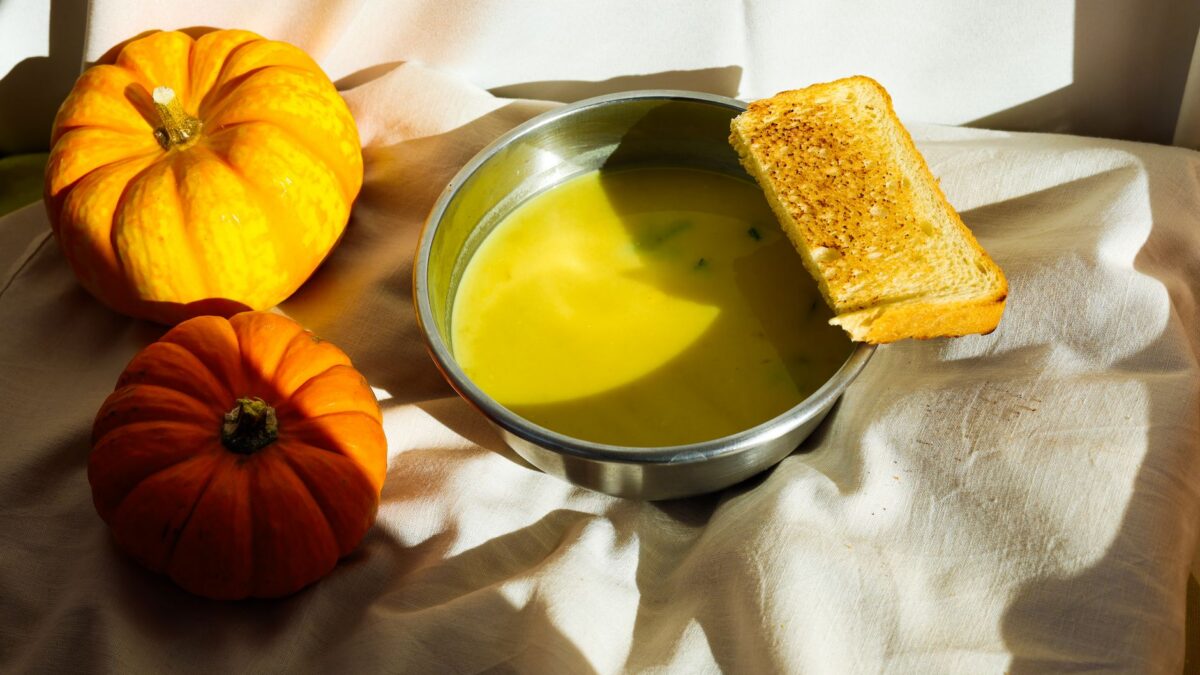
Yes, most dogs can eat plain pumpkin in small amounts. Choose 100 percent plain pumpkin purée, either canned or home-cooked, with nothing added. Never give pumpkin pie filling, which contains sugar and spices, and can include other ingredients that are unsafe for dogs. Pumpkin is a supplement to a complete dog food, not a replacement for it, and it is not a treatment for ongoing health problems.
Plain pumpkin vs pie filling
The two cans look alike on the shelf, but they are very different products. Always read the ingredient list.
- Plain pumpkin purée: the ingredient list should say only pumpkin, sometimes with water. This is the one to use.
- Pumpkin pie filling or pie mix: contains added sugar and spices such as nutmeg, cinnamon and cloves. Nutmeg can be harmful to dogs in larger amounts, and the sugar adds calories with no benefit. Avoid it.
- Other ingredients to check for: any sweetener labelled xylitol (also called birch sugar) is highly toxic to dogs. Raisins, chocolate and macadamia nuts in baked goods are also dangerous. Do not share pumpkin bread, muffins or pie with your dog.
If your dog eats something that contains xylitol, chocolate or another toxic ingredient, call an emergency vet or the ASPCA Animal Poison Control Center right away rather than waiting for symptoms.
How much pumpkin to give a dog
Pumpkin is high in water and fiber, so a little goes a long way. Too much can cause loose stools, gas or an upset stomach. A commonly used starting guide is the following, given once or twice a day, mixed into regular food:
- Small dogs (under about 20 lb, 9 kg): about 1 teaspoon.
- Medium dogs (about 20 to 50 lb, 9 to 23 kg): about 1 to 2 teaspoons.
- Large dogs (over about 50 lb, 23 kg): about 1 tablespoon.
Start with less than this amount for the first day and see how your dog’s stomach reacts. These are general starting points, and your veterinarian may suggest a different amount for your dog’s size, age and health. Because pumpkin has calories too, treat it as part of the daily food total for dogs who need to watch their weight.
When pumpkin can help digestion
Pumpkin contains fiber, including soluble fiber that absorbs water. That is why it is often used as a gentle, short-term aid for mild stool problems in otherwise healthy dogs:
- Mild constipation: the fiber and moisture can help soften stool and add bulk.
- Mild loose stool: the soluble fiber can help firm stool up.
It works in both directions because it changes the stool’s water balance rather than acting as a drug. This is mild support, not a cure. If the problem lasts more than a day or two, call your vet instead of increasing the amount of pumpkin.
When to skip pumpkin and call a vet
Pumpkin can hide a more serious problem. Contact your veterinarian promptly if your dog has any of the following:
- Vomiting, repeated diarrhea or blood in the stool
- Straining to pass stool with nothing coming out, or no stool for more than a day or two
- Lethargy, a swollen or painful belly, or refusal to eat
- Signs of dehydration, such as dry gums or sunken eyes
- Puppies, senior dogs, or dogs with a health condition such as diabetes or pancreatitis, because added food and fiber may not be suitable
A dog that has swallowed a foreign object can show constipation-like symptoms, and waiting can be dangerous. Ask your vet before using pumpkin for any dog with a medical condition or on a prescription diet.
Choosing and serving pumpkin
- Canned: buy plain pumpkin purée with a short ingredient list. Spoon out the portion and refrigerate the open can in a covered container, using it within about 5 to 7 days, or freeze small portions in an ice cube tray.
- Fresh: bake or steam plain pumpkin until soft, remove the skin, stem and seeds, and mash it without salt, butter, sugar or seasoning.
- Serving: stir it into regular food. Many dogs also like it frozen as a cool treat.
- Raw pumpkin and stems: raw chunks, rind and stems are hard to chew and digest and can be a choking or blockage risk, so cook it and feed only the soft flesh.
Pumpkin seeds should be plain, unsalted and ground or very small if you give them at all, since whole seeds are not necessary and can be difficult for small dogs. Do not give a decorative carved jack-o’-lantern that has been sitting out, because it can grow mold.
Quick answers
Can dogs eat pumpkin every day?
A small amount of plain pumpkin is fine for most healthy dogs, but it should not become a large part of the diet. If you plan to use it daily for more than a short time, ask your vet.
Can dogs eat pumpkin pie?
No. Pie contains sugar, spices and often a crust with fat, and some recipes include raisins or nuts. A small taste is unlikely to be an emergency, but do not offer it on purpose.
Can puppies have pumpkin?
Puppies have sensitive stomachs and nutritional needs of their own, so check with your vet before giving them pumpkin, and use only a tiny amount if approved.
Is pumpkin good for cats too?
Some vets suggest plain pumpkin in tiny amounts for cats with mild stool problems, but cats are different from dogs, so ask your vet first.