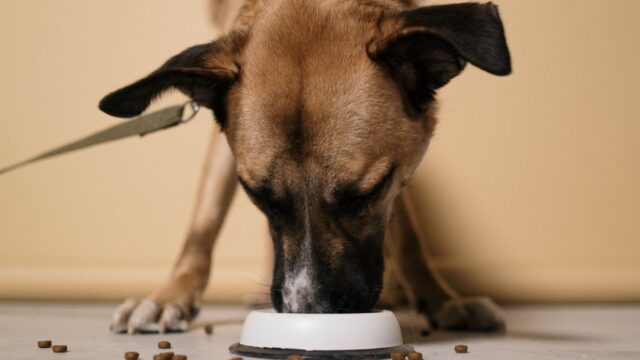
Wet or Dry Dog Food? A Pet Nutritionist Says the Right Pick Depends on the Dog
Companion animal nutritionist Dr. Mary Cope told Whole Dog Journal that neither wet nor dry food is automatically better, and explained how owners can choose.
Owners who wonder whether canned or dry food is healthier for their dog will not get a simple verdict from one nutrition expert. In an interview published by Whole Dog Journal, companion animal nutritionist Dr. Mary Cope said both formats can deliver complete and balanced nutrition for every life stage, and that the better choice depends on the individual dog, the household and the budget.
The conversation, led by the magazine’s executive editor Kate O’Connor, walked through where each type of food has the advantage and what to look for on the label before buying.
Why dry food suits many homes
According to Dr. Cope, dry food is the practical option for many families. It costs less, is simple to store and measure, and stays usable for a long time even after the bag is opened. The category has also widened: besides classic kibble, it now includes air-dried and freeze-dried products, which gives owners more choice for different needs.
There are trade-offs. Dry food contains little moisture, so dogs eating it need to drink more water. Kibble also needs a certain amount of carbohydrate to hold its shape during manufacturing, which means owners looking for a very meat-heavy recipe will usually find it among freeze-dried foods rather than kibble. Some fussy eaters simply find dry food less appealing.
When canned food has the edge
Wet food is mostly water. Dr. Cope said that makes it useful for dogs that drink too little, for older dogs whose kidneys are a concern, and for dogs with sore, damaged or missing teeth, because it does not need to be chewed. Its strong smell and taste also tempt picky dogs.
The downsides are practical ones. Calorie for calorie, canned food costs more, partly because owners are paying for water and heavy packaging. An opened can spoils quickly, and wet food is less convenient to leave out during the day or to pack for a trip.
What this means for owners
Dr. Cope’s rule of thumb is to lean toward wet food when a dog needs more fluids, has a poor appetite or has dental problems, and toward dry food when cost, convenience and calorie control matter most. She noted that low-calorie formulas are more common among dry foods.
For a picky dog in a household watching its spending, she suggested a compromise: a spoonful of canned food on top of kibble, with a little water stirred in. Adding water to dry food narrows the moisture gap, but she warned that moistened kibble no longer keeps and should be eaten promptly or thrown away.
Whatever format owners choose, her first check is the statement of nutritional adequacy on the package. Most kibble is formulated as a complete diet, she said, but some canned, air-dried and freeze-dried products are toppers intended only for occasional feeding, not as a dog’s main meals. She also looks for a reputable maker and an ingredient list that starts with animal protein, and above all for whether the dog actually thrives on the food.
What to do next
The interview offers general guidance rather than a ranking of brands. Dogs with health conditions, weight problems or special dietary needs may need a different approach, and Dr. Cope recommended that owners discuss their dog’s diet with their own veterinarian before making a change.
Source: Whole Dog Journal