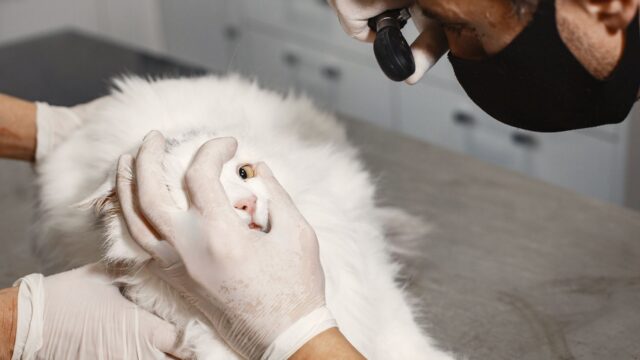
How Much Is a Vet Visit? Exam, Vaccine, Bloodwork and Emergency Costs
Itemized average prices for routine and emergency vet care for dogs and cats, what insurance changes, and practical ways to bring the bill down.
In the US, a routine vet exam typically costs about $56 to $129 for a dog and $57 to $130 for a cat before vaccines or tests, according to a 2025–2026 national price study. A full checkup with vaccines and basic tests often lands in the low hundreds of dollars, while an emergency visit starts with an exam fee of around $135 to $143 and can quickly reach four figures once tests and treatment are added.
All prices below are national averages or ranges as of October 2026. Your clinic may charge more or less depending on your region, the type of practice and your pet’s size and needs. Always ask for an itemized estimate before treatment.
US prices: routine care
These averages come from a 2025–2026 study of veterinary practice fees across all 50 states and Washington, DC, conducted by ASQ360 Market Research for the vet financing company CareCredit.
| Service | Dog (average) | Cat (average) |
|---|---|---|
| Routine exam | $56–$129 | $57–$130 |
| Rabies vaccine | $35 | $31 |
| Core combination vaccine (DHPP for dogs, FVRCP for cats) | $42 | $34 |
| Fecal (parasite) exam | $58 | $29 |
| Heartworm test | $71 | Not listed |
| Blood test: complete blood count (CBC) | $104 | $79 |
| Blood test: chemistry panel | $164 | $144 |
| Routine dental cleaning | $379 | $395 |
Add these up and a healthy adult dog’s yearly checkup with an exam, rabies and combination vaccines, a fecal test and a heartworm test comes to roughly $260 to $335 at average prices, before parasite prevention. Puppies and kittens need several visits in their first months; see our puppy vaccination schedule for what to expect.
For a wider view, the American Veterinary Medical Association’s 2025 pet owner data, as reported in the trade press, put average yearly vet spending at about $598 for dog owners and $529 for cat owners.
US prices: emergency and diagnostics
| Service | Dog (average) | Cat (average) |
|---|---|---|
| Emergency exam fee | $135 (range about $107–$246) | $143 (range about $113–$260) |
| X-rays, 2–3 views (emergency setting) | About $334 | About $310 |
| Ultrasound | About $483 | About $323 |
| Hospitalization, per night | About $619 | About $582 |
| IV catheter and one bag of fluids | About $130 | About $121 |
Source: the same CareCredit-commissioned study, emergency figures published May 2026. An emergency bill is usually the exam fee plus several of these items, so even a single night of care can pass $1,000. Surgery for something like a swallowed object costs considerably more.
With insurance vs without
Pet insurance usually does not change what the vet charges. You typically pay the bill and claim back a share afterward.
- Routine visits: standard accident and illness policies usually do not pay for checkups or vaccines. Wellness add-ons do, but you pay for them in your premium.
- Sick and emergency visits: if the problem is covered, the insurer reimburses the agreed percentage after your deductible. Some policies exclude the exam fee itself.
- Pre-existing conditions are generally excluded; see pet insurance and pre-existing conditions.
For typical premiums, read how much pet insurance costs per month.
UK, Canada and Australia
United Kingdom
Data collected by the price comparison service VetHelpDirect put the average UK first consultation fee at about £48, with a range from free to around £120, and noticeable regional differences. The Society of Practising Veterinary Surgeons’ 2025 fees survey found small-animal consultation fees up about 4.5% and vaccine fees up roughly 9% to 16% on the previous year. The Competition and Markets Authority (CMA) finished its market investigation in March 2026, and its remedies order, which includes clearer pricing information such as price lists, starts to apply to larger veterinary businesses from 23 December 2026, with further measures phased in over the following months and more time for smaller practices. Comparing clinics should get easier over 2027.
Canada and Australia
There is no single national price survey comparable to the US data. Fees vary by province or state, city and clinic type, and emergency hospitals charge considerably more than general practices. Ask clinics for their exam and vaccine prices before you register, and request a written estimate for any procedure.
Ways to cut vet costs safely
- Keep up with prevention. Vaccines, parasite prevention and dental care are cheaper than treating the diseases they prevent.
- Use low-cost clinics for routine care. Many shelters and humane societies in the US run low-cost vaccine, microchip and spay/neuter clinics.
- Check veterinary schools. Teaching hospitals at veterinary colleges sometimes offer lower-cost services.
- Look at charity care. In the UK, charities such as PDSA, RSPCA and Blue Cross offer free or reduced-cost treatment to eligible owners in their areas.
- Compare wellness plans. Many practices offer monthly plans that bundle exams and vaccines. Check whether the total is actually less than paying separately.
- Ask for an estimate and options. It is reasonable to ask which tests are essential today and which could wait, and whether prescriptions can be filled elsewhere.
- Plan for emergencies. Insurance, a dedicated savings fund, or both, means a sudden bill does not force a hard choice.
A good relationship with one practice helps too. See how to choose a veterinarian. Never delay urgent care to save money: if your pet has trouble breathing, collapses, has a swollen belly, is bleeding heavily or may have eaten something toxic, call your vet or an emergency clinic right away.
Bottom line
As of October 2026, a US routine vet exam averages roughly $56 to $130, with vaccines and tests adding about $30 to $165 each, and emergency care starting around $135 to $143 before diagnostics. UK consultations average around £48 in published data. Ask for itemized estimates, use preventive care, and have a plan for the unexpected.
FAQ
Why do vet prices vary so much?
Rent, staff costs, equipment and local demand differ between areas and practice types. Emergency and specialist hospitals cost more because they are staffed around the clock.
Is a cat visit cheaper than a dog visit?
Exam fees are similar. Some tests and medications cost less for cats, but dental cleanings can cost about the same or more.
Can I ask for a payment plan?
Many practices offer payment plans or accept third-party financing. Ask before treatment, and read any financing terms carefully.
Does pet insurance cover the exam fee?
Some policies do and some do not. Check the policy wording, especially for sick and emergency visits.